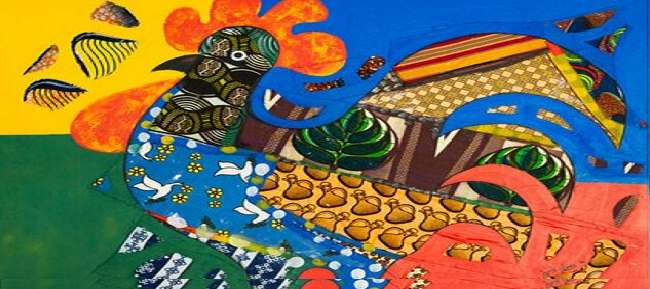


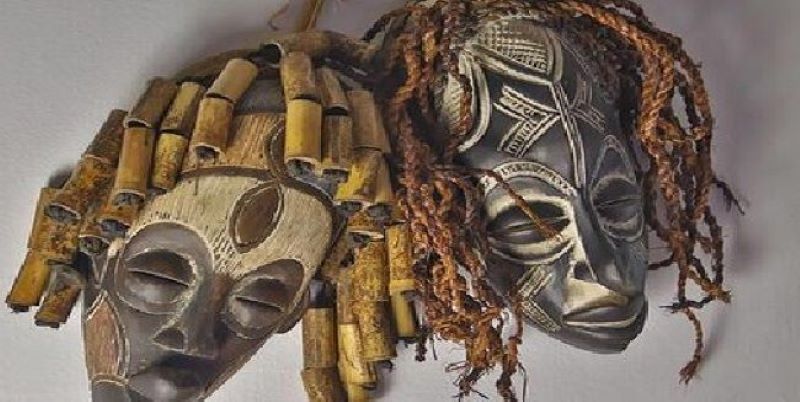
Kampala capital city does not announce itself as an art capital. It unfolds slowly in converted villas, behind quiet gates, inside repurposed industrial spaces, and in conversations that stretch long after sunset. To understand Uganda today, one must look beyond its national parks and into its studios. This is where the country is thinking – contemporary art is booming.
Over the last two decades, a new generation of Ugandan artists has emerged. Very confident, experimental, and globally aware. Unlike earlier waves that leaned heavily on ethnographic themes, today’s artists are conceptual. Their canvases converse with Berlin, Lagos, London, and Johannesburg while remaining deeply rooted in Uganda.
Creative Districts of Kampala
Kampala’s creative life is not concentrated in one formal district. It is scattered organically across the city’s hills.
Bugolobi and Industrial Edges
Converted warehouses and villa-compounds host contemporary galleries and design studios. These spaces feel intentional curated, international, outward-looking.
Kololo and Nakasero
Diplomatic residences and historic buildings now house refined exhibition rooms and private collections. Conversations here often move between policy, art, and philanthropy.
Nsambya and Kabalagala
More experimental spaces appear in these suburbs interdisciplinary hubs blending fashion, installation, performance, and digital media.
Studios vs. Galleries: The Real Kampala Art Experience
A gallery shows finished work. A studio reveals process. In Kampala, serious cultural travelers request studio visits. They want to see paint on unfinished canvas, wood being carved, textile dye soaking in vats, artists debating politics over tea. This is where one understands the rhythm behind the work. For discerning travelers, this is where cultural tourism evolves into cultural relationship. The most meaningful encounters rarely happen during public exhibition openings. They happen during private walkthroughs arranged quietly, in artist-led discussions about symbolism and technique, in collaborative commission conversations, and at intimate cultural salons hosted in private homes where art becomes dialogue.
Talent is visible and global representation is growing. Even if the art market remains early-stage compared to Lagos or Cape Town. That creates rare opportunity for collectors. To acquire a piece here is not simply to decorate a wall, it is to participate in the early chapters of a national creative ascent. And for many international visitors, that becomes the most enduring souvenir of their time in Uganda. For those willing to look beyond the safari circuit, the real discovery is not only wildlife. It is the people shaping how Uganda sees itself. And in Kampala, art is where that story is being written.