

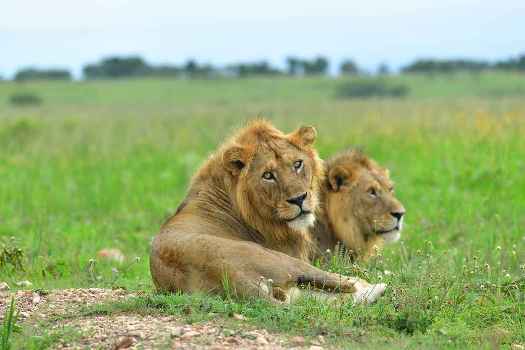
Few wildlife experiences in Uganda feel as immersive and unpredictable as lion tracking in Queen Elizabeth National Park. Unlike traditional game drives where sightings happen by chance, lion tracking places visitors alongside researchers and expert rangers actively monitoring one of Africa’s most iconic predators.
Using radio telemetry equipment and conservation knowledge, trackers follow the movements of collared lions across the plains, offering travelers a deeper understanding of lion behavior, ecology, and conservation challenges in Uganda.
For many safari enthusiasts, the experience transforms ordinary wildlife viewing into something far more personal and educational.
This guide explains everything you need to know about lion tracking in Uganda including how it works, where it takes place, costs, the best time to go, and why it has become one of the country’s most fascinating safari activities.
What Is Lion Tracking?
Lion tracking is a specialized experiential safari activity that allows visitors to accompany researchers and Uganda Wildlife Authority rangers as they monitor wild lions in Queen Elizabeth National Park.
Some lions within the park are fitted with radio collars that help conservation teams track movements, territory patterns, pride behavior, and interactions with prey species.
Using telemetry receivers and directional antennas, guides follow the signals across the savannah in search of lions.
Unlike a standard game drive, the experience focuses not only on sightings but also on understanding:
- lion behavior
- conservation research
- predator ecology
- wildlife monitoring techniques
The activity is managed in collaboration with conservation researchers and the Uganda Carnivore Program.
Where Does Lion Tracking Take Place?
Lion tracking takes place primarily in the northern Kasenyi Plains sector of Queen Elizabeth National Park.
This region is well known for:
- open savannah landscapes
- large Uganda kob populations
- predator activity
- classic wildlife viewing
The abundance of prey attracts lions, making Kasenyi one of the best areas in Uganda for predator encounters.
The activity is separate from the famous Ishasha sector, which is better known for tree-climbing lions.
What Happens During the Lion Tracking Experience?
The experience typically begins early in the morning with a briefing from rangers and researchers.
Visitors are introduced to:
- radio telemetry equipment
- lion monitoring procedures
- safety protocols
- conservation objectives
From there, the tracking team drives into the plains while listening for signals emitted by radio collars fitted on selected lions.
Once signals strengthen, guides interpret movement direction and begin narrowing the search area.
Because the lions remain completely wild, each experience unfolds differently.
Some tracking sessions involve:
- observing lions hunting
- pride interactions
- resting behavior
- territorial movement
Other sightings may include hyenas, leopards, elephants, buffaloes, and large herds of antelope moving across the plains.
The unpredictability is part of what makes the experience exciting.
How Long Does Lion Tracking Take?
Lion tracking generally lasts between 2 and 4 hours depending on:
- lion movement
- weather conditions
- terrain accessibility
- signal strength
Morning sessions are usually preferred because lions are more active during cooler hours.
Lion Tracking Cost in Uganda
Lion tracking is considered a premium experiential activity within Queen Elizabeth National Park.
Costs can vary depending on:
- park regulations
- residency status
- conservation program adjustments
Visitors should confirm updated rates with:
- the Uganda Wildlife Authority
- licensed safari operators
The experience is usually booked in advance due to limited daily availability.
Best Time for Lion Tracking in Uganda
Lion tracking is possible throughout the year, but the dry seasons are generally considered best for wildlife viewing.
Best Months
- June to September
- December to February
During these periods:
- grass is shorter
- wildlife visibility improves
- roads are easier to navigate
However, green season travel also has advantages:
- dramatic photography conditions
- fewer vehicles
- lush scenery
- softer lighting
Morning tracking remains productive year-round.
Animals You May See During Lion Tracking
Although lions are the primary focus, the experience often includes sightings of other wildlife species.
Common animals include:
- elephants
- buffaloes
- Uganda kobs
- warthogs
- hyenas
- leopards
- waterbucks
Birdlife, with over 600 species in Queen Elizabeth National Park is also exceptional, particularly during wetter months.
Why Lion Tracking Matters for Conservation
Lion populations across Africa continue to face increasing pressure from:
- habitat loss
- human-wildlife conflict
- poisoning
- prey depletion
Tracking programs help researchers:
- monitor lion health
- study movement patterns
- understand pride dynamics
- identify conservation threats
Tourism revenue generated through lion tracking also supports:
- wildlife protection
- ranger operations
- conservation awareness
For visitors, the activity offers a rare opportunity to see how tourism and conservation intersect directly on the ground.
Lion Tracking vs Normal Game Drives
Many travelers wonder whether lion tracking is worth doing in addition to a traditional safari game drive.
The two experiences are quite different.
Standard Game Drive
- broader wildlife viewing
- chance-based sightings
- covers multiple species
Lion Tracking
- focused predator experience
- conservation-based learning
- deeper understanding of lion ecology
- closer involvement with researchers
Travelers particularly interested in predators, photography, or wildlife conservation often find lion tracking far more immersive.
Can You See Tree-Climbing Lions?
Yes — but usually in the Ishasha sector of Queen Elizabeth National Park rather than during the specialized lion tracking activity itself.
Ishasha’s tree-climbing lions are among Uganda’s most famous wildlife attractions and are often included in safari itineraries linking Queen Elizabeth with Bwindi Impenetrable National Park.
Is Lion Tracking Worth It?
For many wildlife enthusiasts, absolutely.
Lion tracking adds:
- unpredictability
- education
- conservation insight
- a sense of participation
Rather than simply observing animals from a distance, visitors become part of an active wildlife monitoring experience.
The activity often appeals strongly to:
- keen photographers
- conservation travelers
- repeat safari visitors
- travelers seeking something beyond ordinary game drives
Tips for the Best Lion Tracking Experience
To maximize your experience:
- Carry binoculars
- Bring a camera with zoom lens
- Wear neutral safari clothing
- Prepare for dusty conditions
- Book early during peak season
- Combine the activity with morning game drives
Patience is also important. Wildlife movements are never guaranteed.
Suggested Safaris Combining Lion Tracking
Lion tracking pairs exceptionally well with:
- gorilla trekking safaris
- chimpanzee tracking
- Kazinga Channel boat safaris
- Ishasha tree-climbing lion experiences
Many travelers combine Queen Elizabeth National Park with:
- Bwindi Impenetrable National Park
- Kibale National Park
for a complete Uganda wildlife circuit.
Yes. The activity is conducted with experienced rangers and conservation professionals following strict safety protocols.
Sightings are highly likely but may not be guaranteed because the lions remain completely wild.
Lion tracking is offered in Queen Elizabeth National Park.
Policies may vary, but the activity is generally more suitable for older children and adults interested in wildlife experiences.
Lion tracking focuses specifically on monitoring lions using conservation research techniques rather than general wildlife viewing.
Lion tracking in Queen Elizabeth National Park is one of Uganda’s most unique wildlife experiences.
Combining safari adventure with real conservation work, the activity offers a deeper understanding of Africa’s predators while supporting ongoing wildlife research efforts.
For travelers seeking more than a traditional game drive, lion tracking delivers a rare blend of education, excitement, and authentic wilderness exploration.
You can visit the local communities which are benefiting from this program in our post about Queen Elizabeth National Park.